
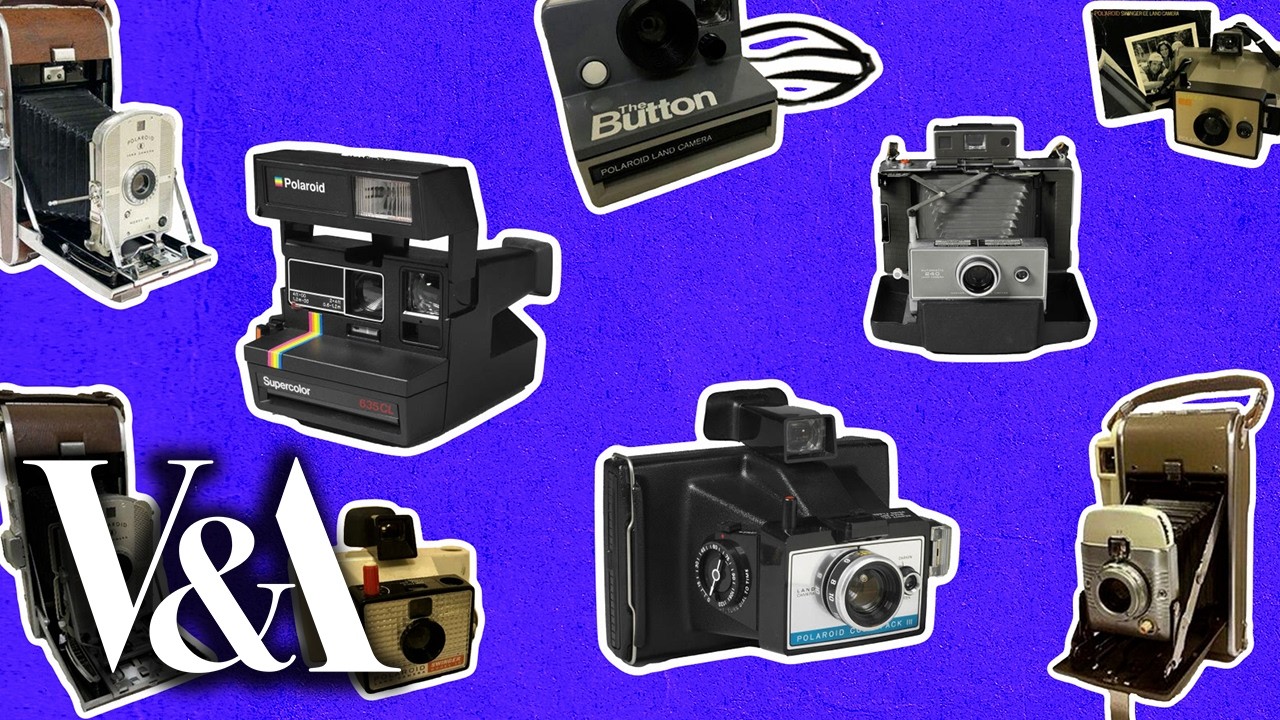
📸 Discover the fascinating history of Polaroid cameras and the rise of instant photography. From Edwin Land’s breakthrough invention in the 1940s to the cultural icon that Polaroid became in the 1970s and 80s, this video dives into the technology, legacy, decline and resurgence of the instant photo revolution.
🤩 Understand more about the history of photography, see the vintage cameras themselves, find out who invented instant photography, and discover how the retro camera technology works. See the evolution of photography before your very eyes!
🧠 Question time: Polaroid vs digital – what do you think is better? Tell us in the comments 🤳
🔔 Don’t forget to like, comment, and subscribe for more Brief History content!
00:00 What is a daguerrotype camera?
00:21 Was the daguerrotype easy to use?
00:46 How has photography evolved? What’s the calotype process?
01:14 Kodak No.1 camera, 1888
01:30 When was 35mm film invented? Kodak 35 & Nikon 1, 1940s
01:46 Edwin H. Land works out how to reduce glare, 1928
02:08 The invention of instant photography
02:21 How does instant photography work?
02:36 First Polaroid camera released, 1948
03:03 Polaroid SX-70 – first camera that prints, 1923
03:14 Decline in the digital age
03:34 Fujifilm Instax, the comeback of instant photos
03:58 Polaroid in pop culture
🔔 Haven’t subscribed to V&A Up Next on YouTube yet? ► @vamuseum-upnext
🧠 Test your camera knowledge with the quiz on mused ► https://www.vam.ac.uk/mused/art-design/trivia-quiz-brief-history-of-polaroids/
🎆 Travel in time with the V&A’s huge photography collection ► https://www.vam.ac.uk/collections/photographs
About V&A Up Next 🎨 🎭
V&A Up Next is the place to discover how and why people make things. Subscribe now to get explainers, quizzes and interviews on all things creativity, including art, design, music and fashion! / @vamuseum-upnext
#PolaroidHistory #InstantPhotography #VintageCameras



Blimey! Another interesting subject and presentation. Polaroid photos have improved technology from years ago and are good at times, however, I prefer 35mm (I know that wasn't part of your question!), and more often than not digital. Really it's up to the who-where-why need.